Flat Woven Fabric Texture Backgrounds: A Designer's Secret Weapon
The Quiet Power of a Woven Surface
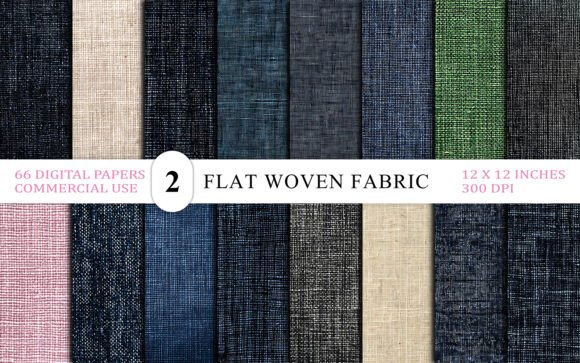
There's a reason flat woven fabric texture backgrounds have become a staple in a designer's toolkit. They offer something that's increasingly rare in our digital world: a sense of the tangible, the handmade, and the authentic. A flat woven fabric texture isn't just a pattern; it's a visual whisper of linen, cotton, or burlap. It suggests a story, a process, and a connection to natural materials. Unlike a busy photographic background, a clean, seamless linen texture provides depth without distraction. It adds a layer of tactile sophistication that can elevate any project from sterile to soulful. This particular bundle of 66 high-resolution textures is crafted specifically for this purpose—to mimic the honest, understated beauty of a real cloth surface, free from the visual noise of wrinkles or harsh shadows.
Where This Texture Truly Shines
The versatility of a well-executed flat woven fabric texture is its greatest strength. It’s not a one-trick pony. Consider its application across your creative workflow:
- Digital Branding & Marketing: Use it as a subtle background for your website hero section, social media graphics, or email headers. It instantly adds warmth and a premium feel to a brand identity, making a logo design or tagline pop with more character. It’s perfect for businesses in the wellness, artisanal food, eco-friendly product, or boutique retail spaces.
- Publishing & Editorial Design: For bloggers, authors, and publishers, these textures serve as beautiful, non-distracting backgrounds for quote graphics, chapter openers, or digital magazine layouts. They provide a consistent, professional backdrop that enhances readability by offering gentle contrast.
- Packaging & Product Presentation: Imagine a product showcase for handmade soaps, ceramics, or gourmet teas. A terracotta or dusty rose fabric texture underneath instantly communicates quality, care, and an organic origin. It’s a foundational design asset for creating compelling mockups and real-world packaging designs.
- Print & Stationery: Because these are high-resolution (3600x3600 px at 300 DPI) and print-ready, they are ideal for creating custom stationery, wedding invitations, business cards, or even physical product labels. The seamless nature ensures a flawless, continuous pattern when printed at any scale.
- Creative & Personal Projects: Digital scrapbookers, crafters, and hobbyists will find endless uses. It can be a background for photo albums, a texture layer in digital art, or a base for creating unique digital planners and invitations.
Making It Work: Practical Guidance for Designers
Integrating a texture like this effectively requires a bit of strategy. It’s not about slapping it on every surface. The goal is to use it to influence perception and hierarchy.
Choose with Intent: Don’t just pick the first color you like. Consider the overall mood of your project. A dark, charcoal linen texture lends a sense of grounded luxury and seriousness. A light, natural beige feels airy, organic, and approachable. A terracotta or dusty rose variant can add a modern, earthy warmth. Look at the texture’s "personality"—is it a tight, uniform weave or a looser, more rustic pattern? Match that personality to your brand’s voice.
Test for Readability and Hierarchy: The primary role of this background is to support your foreground content, not compete with it. Always test your text and graphic elements over the texture. Ensure there is sufficient contrast. Typically, you’ll want to place your most critical information—like a headline or a call-to-action button—on a solid color block or a slightly blurred area of the texture to guarantee perfect legibility. This layering technique is key to creating a clear visual hierarchy.
Explore Font Pairings: This is where modern typography meets tactile background. A flat woven fabric texture pairs beautifully with a wide range of typefaces. For a rustic, organic brand, try pairing it with a serif font or a handwritten font to enhance the natural feel. For a more contemporary, minimalist aesthetic, a clean sans serif font creates a stunning contrast that feels both modern and approachable. The texture acts as the "body," while your chosen display font or script font becomes the expressive voice on top.
Leverage the Bundle: A pack of 66 textures is a serious commercial font and design asset. It allows for incredible consistency across a large project or multiple projects for a client. You can use one texture for the main brand background and a slightly different hue or weave density for secondary materials, creating a cohesive yet dynamic visual system. This is crucial for building a strong and recognizable brand identity.
In practice, think of these flat woven fabric texture backgrounds as your design’s foundational layer. They are the canvas upon which you build your message. They work hardest when they’re doing the quiet work—adding depth, establishing mood, and reinforcing the tactile quality of your brand without shouting for attention. When chosen and applied thoughtfully, they become an indispensable part of your creative font and asset library, offering a timeless, professional polish that resonates with audiences seeking authenticity and quality.